
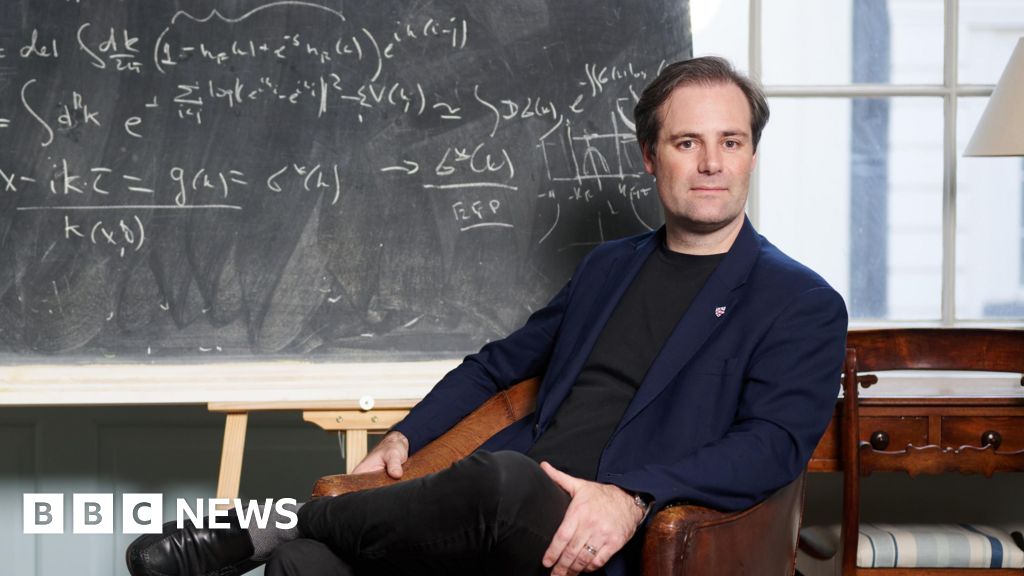
Reform UK has secured a historic financial windfall with a thirty six million pound donation from cryptocurrency billionaire Ben Delo, marking the largest single contribution ever made to a British political party. Writing in the Daily Telegraph, Delo explained that his massive investment is intended to ensure a fair fight and a level playing field in national politics. While the donor originally planned to distribute the funds at a rate of one million pounds per month leading up to the next possible general election in 2029, he opted to provide the full amount upfront to preempt potential government efforts to restrict mega donations.
Nigel Farage expressed that he was honoured and humbled by the gesture, though the influx of wealth arrives amidst a storm of legal and regulatory scrutiny for the party. Reform is currently facing multiple investigations, including a police probe into allegations that senior aides suggested ways to circumvent electoral laws regarding foreign funding. Additionally, Mr. Farage himself is under investigation by the parliamentary standards commissioner concerning a five million pound private gift he received from another crypto investor based in Thailand prior to the 2024 election.
The timing of the donation highlights an escalating battle between Reform and the current administration over how political parties are funded. The government has moved toward limiting contributions from British expats, sparking accusations from Reform supporters that Labour is attempting to stifle their momentum. In response, some ministers have asserted that British democracy is not for sale, while opposition figures suggest these tactics are designed to protect an established political cartel.
Political rivals were quick to condemn the scale of Delo’s generosity, describing it as an attempt to import American style campaign finance into the United Kingdom. A Labour spokesperson claimed that Reform cannot buy its way out of mounting questions regarding sleaze and dodgy finances, while Liberal Democrats called for an immediate cap on donations. They argue that allowing such vast sums of money to influence elections treats Downing Street like a square on a Monopoly board rather than a democratic institution.