
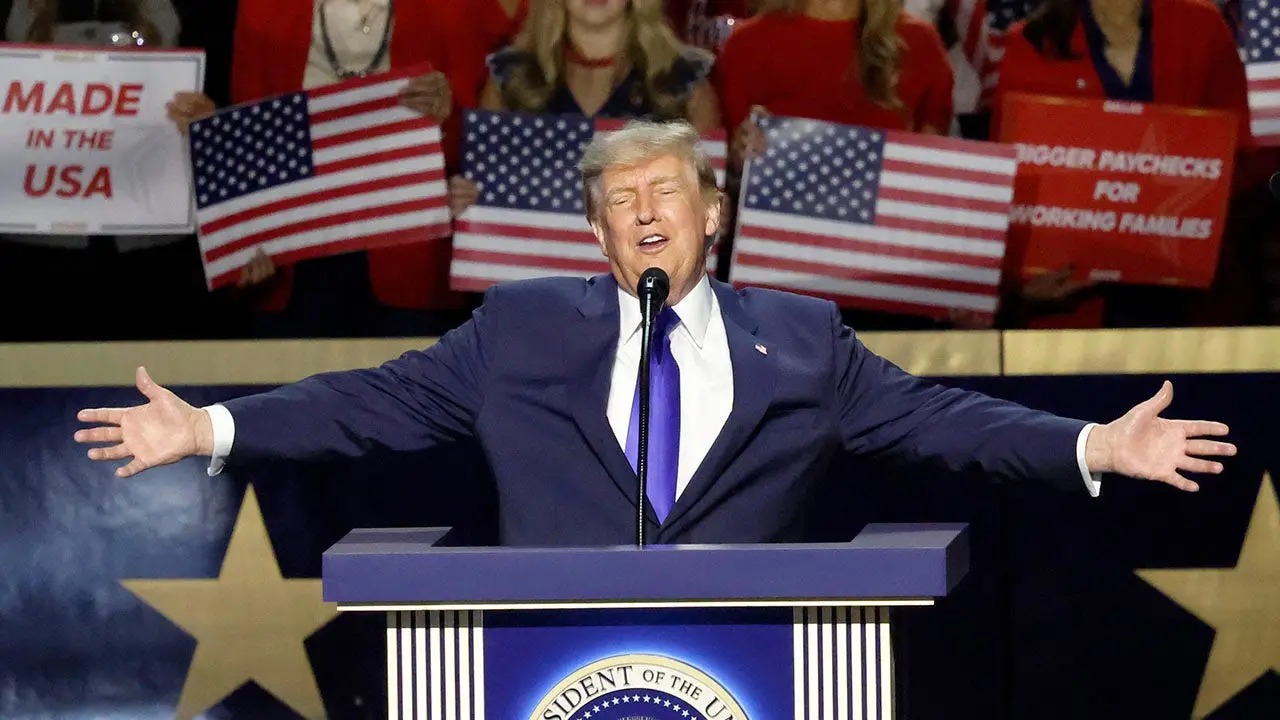
In a bold departure from traditional political strategy, House Republicans are doubling down on their alliance with President Donald Trump as they head into a volatile midterm season. While conventional wisdom suggests that the party in power usually suffers significant losses during midterms due to voter fatigue, the GOP is betting that Trump’s base remains energized enough to defy historical trends. This shift was on full display at the first ever GOP midterm convention in Dallas, where the president urged supporters to view him as if he were personally on the ballot.
For many vulnerable incumbents and candidates in swing districts, embracing the president is no longer viewed as a liability but as a necessity. Representative Ryan Mackenzie of Pennsylvania emphasized that voters originally elected them as part of a broader movement for change led by Trump, citing achievements like border security and tax relief under the One Big Beautiful Bill Act. Similarly, Representative Mike Lawler of New York argued that engaging constructively with the presidency is essential for governance, while framing the opposition as being too far left to be in touch with average citizens.
The strategy extends beyond established incumbents to new challengers seeking to flip blue seats. In South Texas, candidate Eric Flores rejected claims that Republicans are distancing themselves from Trump, instead highlighting the president’s commitment to border security as a winning issue. By positioning these races as a choice between their platform and what they describe as a socialist insurgency or competition with communism, Republicans hope to motivate their core constituency regardless of the president’s current approval ratings.
Democrats, however, are eager to weaponize this closeness to the former president. Opponents argue that linking local representatives to Trump’s national agenda allows them to paint GOP candidates as prioritizing loyalty over their constituents’ needs. From accusations of raising costs through tariffs to concerns over healthcare cuts, Democrats are hoping that mirroring the strategies used against Republicans in previous cycles will prove effective once again come November.