
As political figures clash over the future of artificial intelligence, a recent national poll from UMass Amherst indicates that much of the American public remains uneasy about how the technology is being managed. While tech titans like Sam Altman and Elon Musk have recently called for established guardrails to steer development safely, and others such as Anthropic’s Dario Amodei have advocated for a slower pace of innovation, government leaders remain deeply divided on whether federal intervention is necessary or even desirable.
The divide is most evident in the rhetoric coming from Washington. President Donald Trump has dismissed calls for regulatory limits as part of a conspiracy, asserting that his leadership alone provides sufficient guidance for the industry. However, the UMass Amherst data shows a stark disconnect between that confidence and public perception, revealing that only five percent of respondents believe the president has handled the AI issue very well. In contrast, Massachusetts Governor Maura Healey and Representative Lori Trahan are pushing for formal federal oversight, with Trahan supporting legislation that would create a dedicated under secretary of commerce for AI security to replace vague promises with enforceable laws.
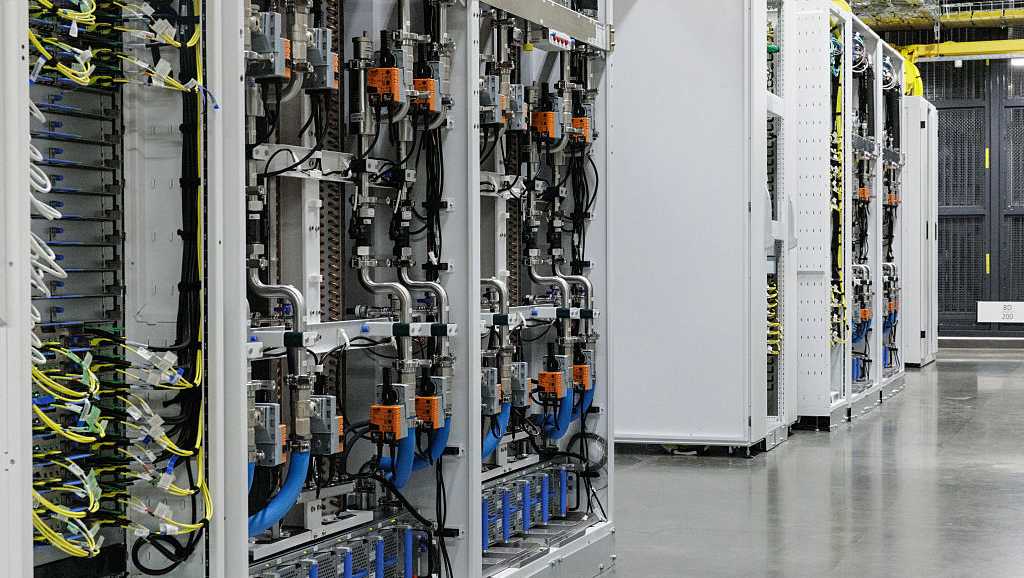
Beyond the high-level debates over ethics and safety, the pollution and power demands of AI infrastructure are becoming flashpoints for local communities. The poll found that a majority of Americans oppose the construction of data centers in their own backyards. Many residents fear these massive facilities will drain local energy grids or damage natural resources, while some specifically worry that the immense electricity requirements of AI will drive up their monthly utility bills.
This growing anxiety comes amid an atmosphere described by some politicians as an arms race. While candidates like John Deaton argue that current congressional delegations lack the technical fluency to lead effectively, others insist that without immediate independent verification organizations and strict licensing, the window to prevent catastrophic risks may close. For now, as legislators fight over jurisdiction and terminology, the public seems increasingly skeptical that anyone is truly in control of the machine.