
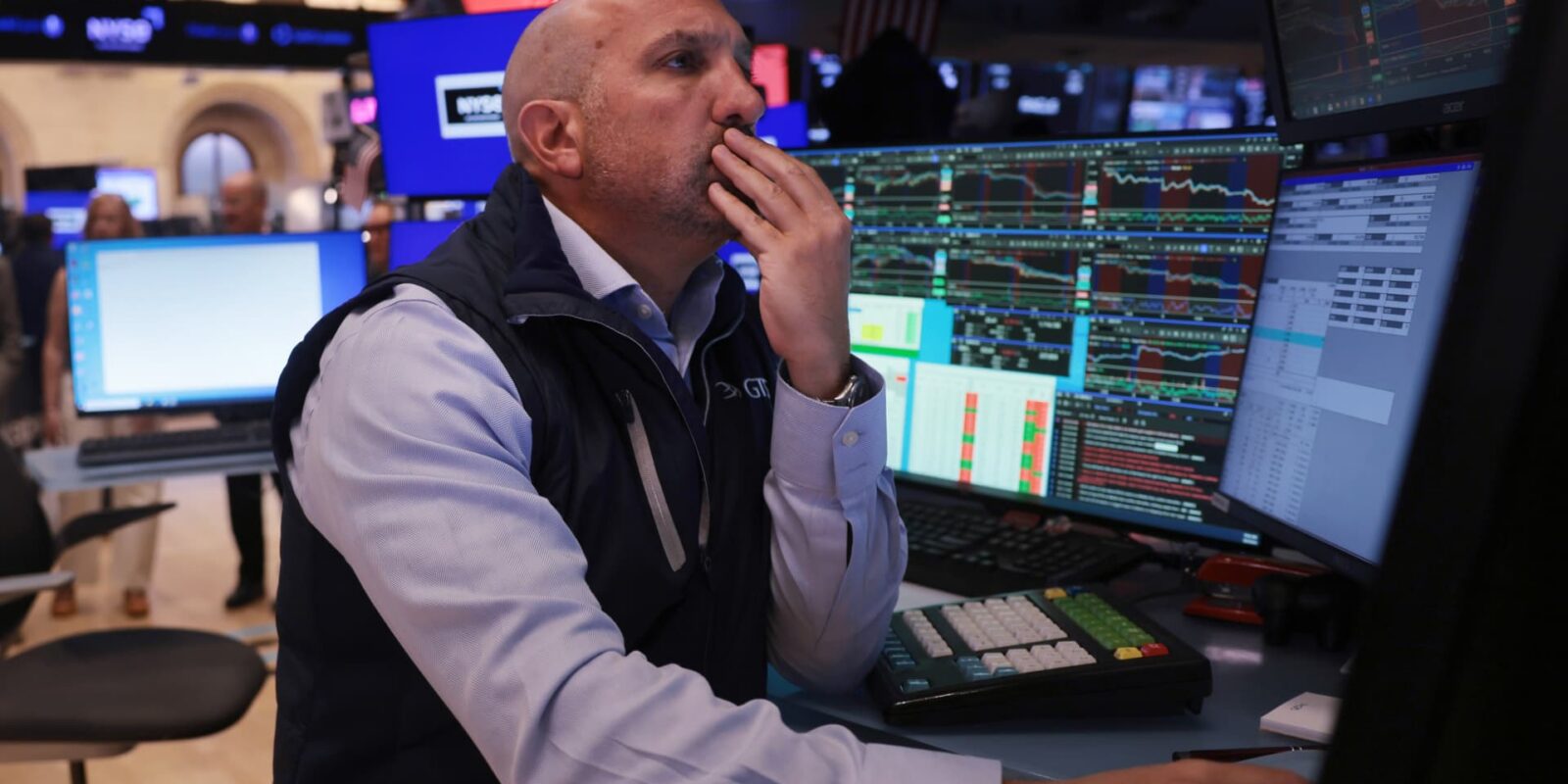
Wall Street opened on a cautious note Tuesday morning as stock futures remained largely flat, reflecting a mood of apprehension among investors. Traders are currently juggling several volatile factors, including climbing oil prices and surging Treasury yields, all while awaiting a pivotal policy decision from the Federal Reserve later this week. Early movements saw modest declines across the board, with S&P 500 and Nasdaq 100 futures slipping slightly and Dow Jones futures losing more than 160 points.
Adding to the tension is a sudden cooling effect in the artificial intelligence sector. Shares of industry leaders like Nvidia took a hit following calls for a slower pace of AI development from Anthropic CEO Dario Amodei and comments from OpenAI’s Sam Altman ruling out an IPO this year. These concerns over AI safety have sparked a broader sell-off in tech-related assets, dragging down specialized ETFs and causing significant drops for companies like Corning.
On the macroeconomic front, energy markets are under pressure after Saudi Arabia shut down a key pipeline following drone attacks. This disruption has pushed Brent crude above 105 dollars a barrel, fueling fears that rising energy costs will keep inflation sticky. Simultaneously, the 10-year Treasury yield has flirted with the 5 percent mark, its highest level since late 2023, signaling that bond markets are bracing for continued tightening.
Much of the current hesitation centers on Wednesday’s Federal Reserve meeting. Market analysts see a high probability that Chairman Kevin Warsh will lead the committee toward a quarter-point rate hike, potentially pushing the upper bound of interest rates to 4 percent. While some experts believe this move will be framed as a discrete action rather than a commitment to future hikes, others warn that combined with geopolitical instability and energy spikes, it could push bond yields even higher.
Global sentiment remains fragile beyond American shores as well. Asia-Pacific markets showed mixed results in early trading, while new data from China revealed disappointing retail sales and deepening investment slumps in August. With domestic demand weakening in Beijing and supply chain tensions mounting globally, investors appear content to stay on the sidelines until there is more clarity from the central bank.